TEFL A-Z
An A–Z of TEFL with in-depth explanations of key terms and concepts. Practical guidance based on classroom practice for both new and experienced teachers.

Top Down Vs Bottom Up Processing in TEFL
The way in which we process and understand written and spoken texts can be either top-down or bottom-up. So what do we mean by this?

5 Features of Connected Speech
A look at assimilation, elision, delayed plosion, catenation and intrusion in connected speech.

Back Channelling in TEFL
Learn about back channelling in TEFL and how listeners use verbal cues like 'uh-huh' and 'okay' to show understanding.

How to Correct Errors in TEFL
When should you correct errors - and when shouldn't you? This practical guide covers techniques, timing, gesture correction, and written feedback for EFL teachers.

How to Plan a TEFL Lesson
What is a TEFL lesson plan and what should it include? Here's a step by step guide to planning lessons for English language teaching.
How to Write Effective TEFL Lesson Aims
A clear lesson aim isn't just a planning formality - it's the foundation that every activity, every stage, and every decision in the lesson is built on. Here's how to write one that actually does that job.

Genre in TEFL
In English language teaching, a genre is a text type (spoken or written) which has a distinctive form and content and which is socio-culturally recognisable.
Teaching Techniques: 6 Steps to Effective Drilling
Drilling is a way of standardising pronunciation of a language item and developing fluidity. When and how should we drill language in a TEFL lesson?

How to Monitor Learners in TEFL
Monitoring is a key classroom skill that helps you understand how your learners are progressing during pair, group, or individual activities. Monitoring can make the difference between a successful activity and one that leaves learners confused or disengaged.
Elicitation in TEFL: What It Is and How to Do It
Eliciting is one of those things that separates a good EFL lesson from an average one. Instead of telling learners everything, you draw it out of them. Here's how, and why it makes such a difference.

9 Ways to Check Understanding in TEFL
When should we check that our learners understand, and how should we check their understanding?
Teaching Techniques: Concept Questions
Concept questions (also referred to as CCQs) are questions designed to check learners’ understanding of a language item. So how do we make them?

10 Tips for Giving and Checking Instructions in an ESL Classroom
Here are 10 tips to help you give and check instructions clearly in your ESL classroom, keeping students engaged and activities running smoothly.
List of Irregular Verbs
A list of some of the more common irregular verbs in English.
Phonemic Chart for TEFL
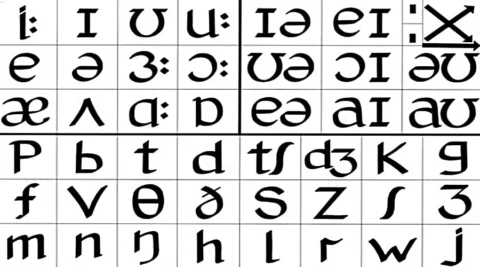
This phonemic chart contains all of the 44 sounds, or phonemes, found in spoken English, with the symbols taken from the International Phonetic Alphabet.