Lesson plans and ideas
Ready-made TEFL lesson plans, ideas and activities tested in classrooms. Practical resources to make English lessons engaging and effective.

Writing with Story Grids
A flexible writing task that needs almost no preparation and works for grammar practice, storytelling, or any writing genre.
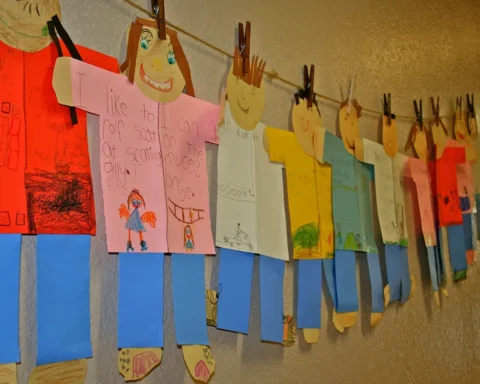
9 Ways to Use Art in the ESL Classroom
What happens when we bring art into an English lesson? Pictures, colour, and creativity can open unexpected doors to real language use.

Passengers – A Personalised Listening Activity
Here's one idea to make your listening activities more personalised and interactive and move away from "Listen to the conversation and identify the main topic".

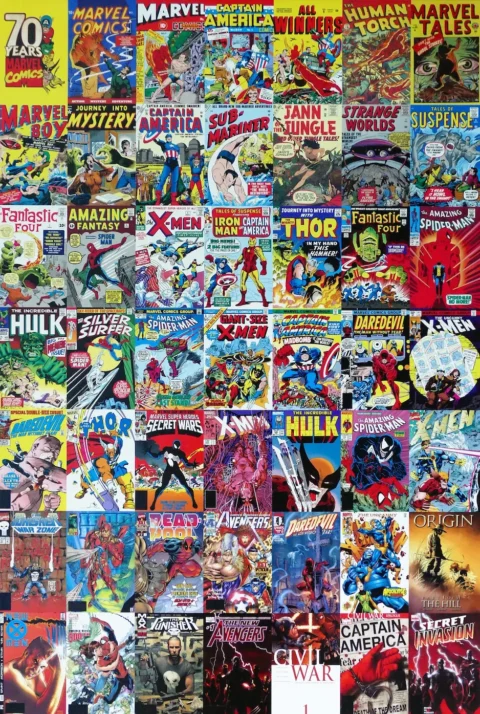
From Comics to Memes: Using Visual Humour in English Teaching
Visual humour - from classic cartoons to modern memes - can make English lessons more memorable, more motivating, and far more fun. Here’s how to use them creatively and meaningfully in class or online.

Comparative and Superlative Adjectives Lesson Plan
This is a one hour situational presentation lesson suitable for elementary level learners, in the context of "famous people", designed to develop both accuracy and fluency with comparative and superlative forms.
How to Use Authentic and Graded Materials Effectively in TEFL
Should you stick to the coursebook? Bring in real-world texts? Or create your own resources? The materials you choose can transform a lesson - but only if you choose them with thought and adapt them to your learners’ needs.
3 Powerful Ways to Add Drama to Your EFL / ESL Class
How to bring role-play, improvisation, and short scenes into your lessons, and why drama makes language learning more engaging and memorable.

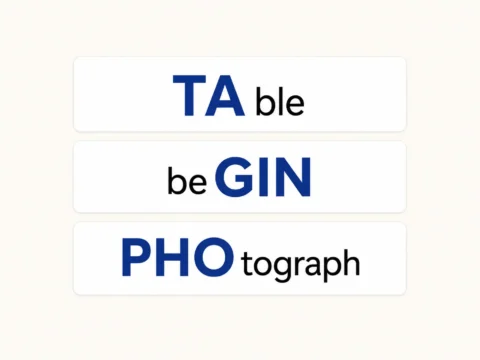
How to Teach Word Stress in English
Wrong word stress can often cause more communication breakdown than a grammar or vocabulary error. Yet it's one of the areas teachers feel least confident about. Here's how to approach it clearly.

Using Project Work in the EFL Classroom: A Practical Guide for Teachers
Project work can be far more than a fun change of pace. When designed with purpose, it becomes a powerful way to develop communication, confidence, and sustained language use in the EFL classroom.

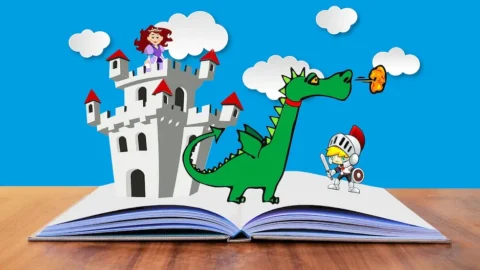
Interactive Storytelling in the ESL Classroom
How to use storytelling as a two-way exchange that builds confidence, fluency, and active listening in your ESL lessons.
Why and How to Use Songs to Teach EFL
Music is one of the most powerful - and often underused - tools you can bring into your EFL classroom. Done well, songs make lessons more engaging, memorable, and authentic. But it’s not enough to simply hit play and hand out a worksheet.
15 Creative Ways to Use Video in Your ESL Classroom
Go beyond “watch and listen”. Try these simple, engaging ways to turn any video into real classroom interaction.

This, That, These, Those Lesson Plan
This is a one hour Guided Discovery lesson suitable for elementary level learners, designed to build accuracy and confidence with demonstrative determiners in the context of "classroom objects".
“Used to” Lesson Plan
This is a one hour lesson suitable for intermediate level (B1-B2 CEFR) learners. It uses a listening text to set the context for eliciting the target language.
How to Correct English Writing Errors
Practical, classroom-tested ways to correct writing errors using group writing and other smart routines that make feedback more effective.