What You Need to Teach English in Costa Rica
Costa Rica is one of the strongest TEFL markets in Latin America, with steady demand for English across language schools, bilingual colleges, and the private tutoring market. Entry requirements are more flexible than in most of Asia or Europe, but employers still expect teachers to be trained, professional, and committed.
Here’s what you need:
- TEFL certificate
A 120-hour TEFL or TESOL certificate is the baseline expectation at virtually all private language schools and most other employers in Costa Rica. Courses that include observed teaching practice with real learners give you a clear advantage in interviews and demo lessons.
- Bachelor’s degree
A degree is not a legal requirement for most private language school positions. However, it is generally needed for the formal work permit process, and is expected by bilingual schools, international schools, and universities. Most language schools will hire you without one if you have a strong TEFL and can demonstrate classroom confidence.
- Experience
Prior classroom experience is helpful but not essential for entry-level positions at language schools. Schools hire newly qualified teachers regularly, especially those who’ve completed a TEFL course with a practical component. More competitive roles – bilingual schools, corporate training, universities – will expect at least some teaching background.
- Spanish language skills
You don’t need Spanish to teach English in Costa Rica, and most employers won’t require it. However, basic Spanish makes daily life significantly easier and helps you navigate the administrative processes that come with settling in. Teachers who speak some Spanish tend to integrate faster and enjoy the experience more. Costa Ricans (Ticos) appreciate the effort, even if your Spanish is basic.
- English proficiency
Native English speakers from North America are particularly sought after – Costa Rica’s proximity to the US means American English is the dominant standard. Fluent non-native speakers are also employed, particularly those who can demonstrate C1 proficiency or above through an IELTS score, Cambridge certificate, or equivalent.
- Age
There is no official upper age limit for teaching English in Costa Rica. The market is generally flexible, and language schools hire based on qualifications, availability, and classroom presence rather than age.
How to Choose the Right TEFL Course in Costa Rica
Costa Rica’s TEFL market is network-driven. Schools fill positions through contacts, word of mouth, and in-person meetings, not job boards. That makes your TEFL course more than just a qualification; it’s your introduction to the market. The right course connects you to employers, gives you classroom skills you can demonstrate in a demo lesson, and signals to schools that you’re a serious, prepared candidate.
For more about choosing a course, see our 6 Questions to Ask When Choosing a TEFL Course.
Here’s what matters most in Costa Rica’s market:
- Practical classroom skills
Costa Rican language schools commonly ask candidates to deliver a short demo lesson before hiring. A course with substantial observed teaching practice – with real students, not just roleplay with peers – is the single best preparation for this. You need to walk into that demo with genuine confidence, and that comes from having taught real classes under the guidance of experienced trainers.
- Accreditation
Your certificate needs to be properly accredited and widely recognised, both for schools in Costa Rica and for the work permit process if you pursue legal employment. For more on why this matters, see TEFL Accreditation: What is it and why is it important?
- Local employer connections
In a market where most jobs are filled through personal contact, a training centre with established relationships with Costa Rican schools is a major advantage. Look for a course that offers job search guidance, employer introductions, and ongoing support after you qualify, not just a certificate.
Both online and in-person TEFL courses can get you hired in Costa Rica. But training in-country puts you on the ground when it matters – available, connected, and ready to start. Many teachers who take our Costa Rica course at School of TEFL have jobs lined up soon after completing the course, often through contacts made during training.
From Training to Teaching in Costa Rica: Getting Your First Job
The transition from course completion to paid work in Costa Rica depends on where you are, who you know, and how flexible you are with your schedule. The market is active but local – most jobs are filled through direct contact, walk-ins, and word of mouth rather than international recruitment.
How teachers find work
- Private language schools
This is the most common entry point. Language schools (often called institutos de idiomas) operate across San José and the Central Valley, teaching adults and young professionals who need English for work. Contact schools directly with your CV, be available for an in-person interview, and be ready for a short demo lesson. Schools appreciate teachers who can cover evening and weekend hours – peak times for adult learners.
- Bilingual and private K-12 schools
These follow a more traditional academic calendar, with hiring concentrated in late November through February for the school year starting in February (the Costa Rican academic year runs roughly February to December). Expect a more formal interview process with the academic coordinator.
- Private tutoring
A common supplement to school work. Business English, exam preparation, and conversation practice are in demand, particularly among professionals in the San José metropolitan area. Rates are higher than language school hourly pay, and clients are found through word of mouth, social media, and expat networks.
- Online teaching
Many teachers in Costa Rica supplement their income with online lessons, particularly during quieter months. This requires a reliable internet connection and, if you’re on a tourist visa, an understanding of the legal grey areas involved.
- Volunteer teaching
Costa Rica has a significant volunteer teaching sector. NGOs, community organisations, and rural schools across the country accept English-speaking volunteers, sometimes with accommodation included. Volunteer roles don’t pay a salary, but they offer classroom experience, cultural immersion, and a way to contribute meaningfully while you settle in. Some teachers use a volunteer placement to build experience and contacts before transitioning into paid work.
Tip: Being in Costa Rica when you apply matters enormously. Most language schools prefer to meet candidates in person and want teachers who can start quickly. If you’ve trained in Costa Rica, your training centre’s contacts and local knowledge give you a significant head start. You can also browse our directory of language schools in Costa Rica to start your research.
Building your hours
Expect to start part-time. Many language schools start new teachers with around 10–15 hours per week and add more as classes fill or teachers prove reliable. Building a full schedule often means working with two or three schools simultaneously, plus private students on the side. Patience and persistence during the first few weeks are essential. Teachers who stick with it generally have a solid timetable within a month or two.
Tip: Many teachers start with only ten teaching hours a week and build from there. Budget accordingly – your first pay cheque may not cover a full month’s expenses. Arrive with enough savings to cover at least your first four to six weeks.
Visas & Work Permits: What You Need to Work Legally
This is the area where Costa Rica’s TEFL market gets complicated, and where the gap between how things work in practice and how they’re supposed to work legally is widest.
Tourist entry
Citizens of many countries, including the US, Canada, the UK, most EU countries, Australia, New Zealand, and much of Latin America, can enter Costa Rica without a pre-arranged visa and receive a tourist stamp valid for up to 90 days (US and Canadian citizens may receive up to 180 days – confirm with immigration on entry). You’ll need a valid passport with at least six months’ remaining validity and evidence of onward travel. Check with the nearest Costa Rican consulate or embassy if you’re unsure whether your nationality qualifies for visa-free entry.
Many teachers enter on a tourist stamp, find work, and renew their stay by making a short trip to a neighbouring country (usually Nicaragua or Panama) before the stamp expires. This “border run” practice is widespread and has been a feature of Costa Rica’s TEFL market for years. However, it does not provide legal work authorisation, and immigration authorities have periodically tightened enforcement.
Legal work authorisation
To work legally and with full protections, you need a Temporary Residence Permit – specifically, the Categoría Especial (Special Category) permit, which is tied to a specific employer. Your school initiates the process, and you provide the supporting documents.
The process is lengthy, typically 90–180 days for the residence permit, plus an additional 30–60 days for the work permit itself. Required documents generally include:
- Valid passport
- Apostilled birth certificate (not older than six months)
- Apostilled criminal background check from your home country
- Academic qualifications (degree, TEFL certificate)
- Employment contract or letter of invitation from the school
- Passport-sized photos
Documents must be apostilled and, in most cases, officially translated into Spanish.
Tip: Get your birth certificate and criminal background check apostilled before you leave your home country. This is one of the most common sources of delay – arranging apostilles from abroad can be difficult and time-consuming.
Teachers with legal work status are enrolled in the Caja Costarricense de Seguro Social (CCSS) – Costa Rica’s universal healthcare system. A small percentage of your salary is deducted, and in return you receive full medical coverage. Teachers working without legal status have no access to this system and must pay for private healthcare out of pocket.
Legal employees are also entitled to the Aguinaldo, a mandatory 13th-month bonus paid in December, equivalent to one month’s salary, prorated if you’ve worked less than a full year.
The honest picture: Many language schools in Costa Rica hire teachers on tourist stamps and manage the situation through border runs. Some schools will sponsor your work permit; others won’t. The ones that do are offering you something genuinely valuable – legal protection, healthcare, and stability. When comparing job offers, this should weigh heavily in your decision.
Note: Visa and work permit regulations can change. Always check with official sources and your employer before making travel or work plans.
Teaching Jobs in Costa Rica: Where You’ll Work and What You’ll Earn
Most English teaching jobs in Costa Rica are concentrated in the San José metropolitan area and the surrounding Central Valley (known as the GAM – Gran Área Metropolitana). The market is steady, with demand driven by professionals, university students, and young learners who need English for career advancement in Costa Rica’s tourism, technology, and international business sectors.
What you’ll earn (by role type)
- Private language schools
The most common employer for TEFL teachers. Hourly rates are typically $9–$14 per hour (roughly 4,500–6,500 CRC). Teachers working 20–25 contact hours per week typically earn in the region of $750–$1,000 per month, though exact rates vary by school, location, and experience. Hours are often split across afternoons, evenings, and weekends, with adult classes dominating.
- Bilingual and private K-12 schools
More structured roles with daytime hours, coordinator support, and better benefits. Salaries typically range from $800–$1,500 per month, depending on the school, your qualifications, and whether housing or other benefits are included. A degree and some experience are usually expected.
- International schools
The highest salaries and best packages, but competitive. Licensed teachers with degrees and classroom experience can earn $1,200–$2,000+ per month, sometimes with housing, health insurance, and other benefits. These positions are found mainly around San José.
- Private tutoring
A common income supplement. Rates range from $10–$25+ per hour, depending on the client type and your experience. Business English and exam preparation command the highest rates. Building a private client base takes time but can significantly increase your monthly earnings.
Tip: When evaluating an offer, look beyond the salary figure. Ask about pay dates, whether social security (CCSS) is included, holiday entitlement, and whether the school will sponsor your work permit. A lower salary at a school that handles your legal status properly may be worth more than a higher rate at one that doesn’t.
When to Apply for Teaching Jobs in Costa Rica
Language schools recruit year-round, with stronger hiring periods in January–March (the start of the Costa Rican academic year in February) and a secondary wave around July. Bilingual and private K-12 schools follow the academic calendar more closely, with most hiring happening in November–February for the February start.
Tip: Being in Costa Rica during peak hiring periods significantly improves your chances. Schools prefer candidates they can meet and who are available to start quickly.
Living Costs & How Much You Can Save in Costa Rica
Costa Rica is more expensive than countries like Guatemala or Peru, but still affordable by North American or European standards. The US dollar is widely accepted alongside the Costa Rican colón (CRC), which makes budgeting straightforward for North American teachers.
- Housing
A room in a shared apartment in San José or the Central Valley typically costs $250–$400 per month. A studio or one-bedroom apartment runs $400–$700+, depending on neighbourhood and quality. Many teachers start in shared accommodation while building their hours.
- Groceries and eating out
Local meals (casados – the traditional rice, beans, and meat plate) cost $5–$8 at local restaurants (sodas). Groceries for a single person average around $200–$300 per month. Western restaurants and imported products are noticeably more expensive.
- Transport
Public buses are cheap and cover most of the Central Valley – a typical fare is under $1. Taxis and Uber are available in San José. Many teachers commute by bus between teaching locations. A monthly transport budget of $50–$100 is typical.
- Utilities
Electricity, water, internet, and phone for a small flat typically total $80–$150 per month.
- Start-up costs
Budget for your first month’s rent plus deposit, initial groceries, a local SIM card, and transport while you settle in. Having $1,500–$2,000 in savings when you arrive is a sensible buffer.
Based on data from the following publicly available sources (actual costs may vary):
Savings potential
Costa Rica is generally a break-even destination for most language school teachers. Your salary covers your expenses and gives you a comfortable lifestyle, particularly outside the most expensive neighbourhoods, but significant savings require supplementing with private tutoring, teaching online, or reaching the bilingual/international school level. If you budget carefully and live modestly, you can save a little each month. If you’re hoping to pay off debts or build a large savings fund, you may find better financial returns in higher-paying markets in Asia or the Middle East.
Where You Can Live and Teach in Costa Rica
Most English teaching jobs are concentrated in the Central Valley, with San José as the main hub. Outside the GAM, opportunities are more limited and often tied to tourism or seasonal work (or volunteering opportunities).
- San José
The capital and by far the largest job market. Most language schools, bilingual colleges, international schools, and corporate clients are based here or in the surrounding suburbs. The city isn’t conventionally beautiful – traffic is heavy, and the architecture is functional – but it’s where the work is. Many teachers choose to live in quieter suburbs like Escazú, Santa Ana, or Heredia and commute in.
- Heredia
A university city just north of San José, with a more relaxed atmosphere and strong demand for English from students and young professionals. Several language schools operate here, and it’s a popular base for teachers who want to avoid San José’s congestion while staying close to the main job market.
- Cartago and Alajuela
Other Central Valley cities with smaller but real teaching markets. Lower rents and a more local feel, though fewer job options than San José or Heredia.
- Coastal areas (Manuel Antonio, Guanacaste, Caribbean coast)
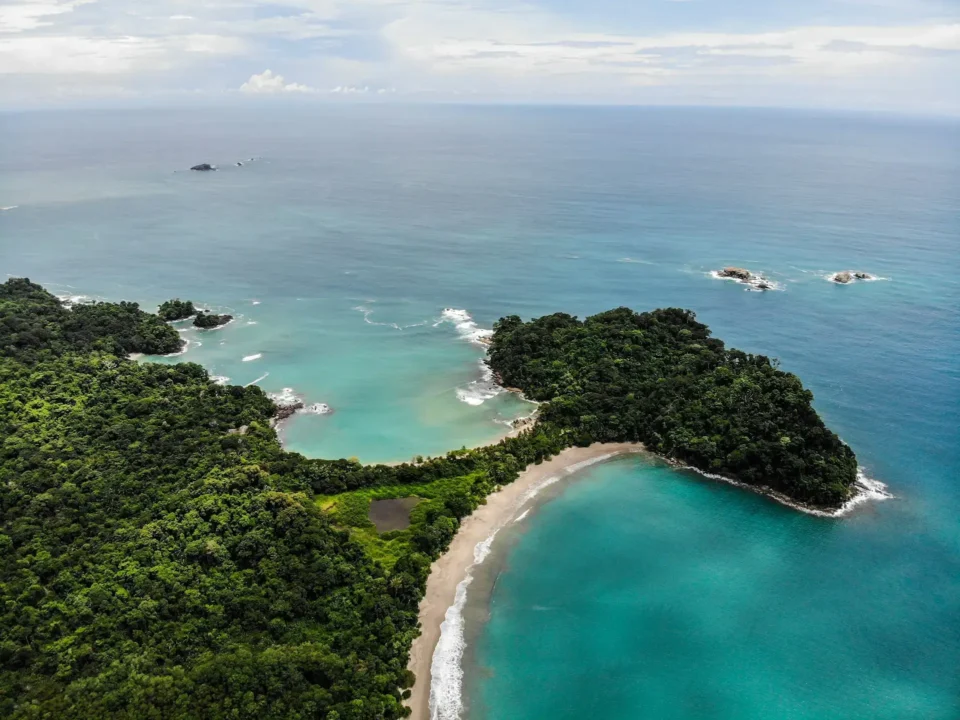
Teaching jobs outside the Central Valley are scarce and often seasonal or tourism/volunteer-related. The lifestyle is appealing – beaches, nature, slower pace – but consistent full-time teaching work is hard to find. Some teachers base themselves on the coast and teach online, supplementing with occasional local work.
Tip: Don’t choose where to live based on the beach photos. San José and the Central Valley are where the work is. If you want coastal life, plan to earn enough from online teaching or tutoring to support yourself, or treat beach time as a weekend and holiday activity.
Cultural Tips for Teaching English in Costa Rica
- Pura Vida
This phrase – literally “pure life” – is more than a greeting. It reflects the Costa Rican approach to life: relaxed, positive, and unhurried. Students may be late, schedules may shift, and bureaucracy will move slowly. Adapting to this rhythm rather than fighting it makes your experience significantly better.
- Relationships matter
Costa Ricans value warmth, politeness, and personal connection. Building rapport with students, colleagues, and school administrators is as important as your teaching skills. A friendly greeting, remembering names, and showing genuine interest in people’s lives goes a long way.
- Adult learners dominate
A large proportion of your students will be adults learning English for professional reasons – career advancement, international business, and tourism. They tend to be motivated and take their studies seriously, which makes for rewarding classes.
- Spanish in daily life
Outside the classroom, Spanish is essential for daily transactions, commuting, and admin. Even basic conversational Spanish improves your quality of life dramatically. Many teachers take Spanish classes alongside their teaching work.
- Dress code
Smart-casual is the norm for teaching. Costa Ricans place importance on appearance and professionalism, so dressing neatly signals respect for your role and your students.
- Safety
Costa Rica is generally safe, particularly in the Central Valley, but petty theft is common in busy areas. Normal urban precautions apply – keep track of belongings, don’t carry valuables unnecessarily, and use registered taxis or Uber, especially at night.
Career Growth & Opportunities in Costa Rica
Many teachers come to Costa Rica planning to stay for six months and end up staying for years. The market rewards reliability, and teachers who build a reputation for quality work find their opportunities expand naturally.
- Build your client base
Private tutoring and corporate clients offer the best hourly rates. Once you’ve been teaching for a few months and have satisfied students, word of mouth can generate a steady stream of new clients. Business English and exam preparation are particularly in demand.
- Move into bilingual or international schools
With experience and, if you have one, a degree, bilingual schools and international schools offer better pay, more structured hours, and stronger benefits packages. These positions are competitive but realistic goals after a year or two of classroom experience.
- Specialise
Business English is a consistent need across the corporate sector in San José. TOEFL preparation is also in demand, particularly among university students and professionals pursuing study or work opportunities in the US. Teachers who develop expertise in these areas can charge higher rates and build more stable timetables.
- Use Costa Rica as a Latin American base
The TEFL skills and experience you gain in Costa Rica transfer well to other markets in the region and beyond. You can use your time here to build classroom confidence before moving to higher-paying markets in Asia, Europe, or the Middle East. Your training centre’s job support network, including Latin American contacts and help assessing employment contracts for positions in Asia, can support this transition.
For more on career growth opportunities, see How to make a career out of TEFL
Ready to Get Started?
Getting started in Costa Rica is exciting, particularly if you arrive with a solid TEFL qualification, realistic expectations, and enough patience for the early weeks of timetable building. When you’re ready, here’s how we can help:
- Take our quiz to see if teaching in Costa Rica is a good fit for you.
- View our Costa Rica TEFL course at School of TEFL, our dedicated training site run by the same team as Eslbase.
- Get in touch if you’d like honest advice or just want to ask a few questions before making any decisions.
We’ve been helping new teachers take their first steps in TEFL since 2005, and we’re here to help when you’re ready.
Helpful Links
Sources & References
In addition to the cost of living sources, some information in this guide is based on publicly available data from the following official sources:
This guide also draws on over 20 years of experience supporting teachers and schools since 2005.