What You Need to Teach English in Chile
Chile has one of the more developed TEFL markets in South America. The economy is the strongest in the region, English proficiency sits in the moderate band of the EF English Proficiency Index (mid-table globally), and the government has invested for years in raising English standards in public schools. The result is a market built mainly around paid teaching work, with Santiago as the main hub.
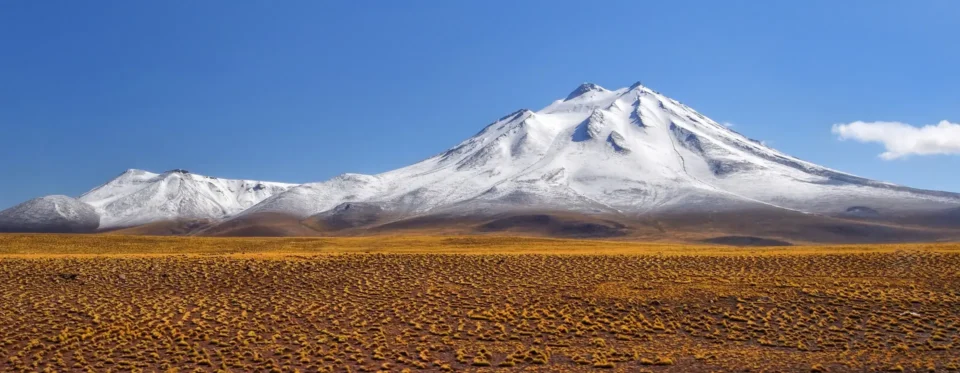
Chile is not the cheapest country in South America. The cost of living is higher than in neighbouring countries like Peru, Colombia, or Argentina, and teaching salaries are modest. Most teachers break even rather than save. But what Chile offers is stability, safety, and a quality of life that is hard to match in the region. The country is well-organised by South American standards, the infrastructure works, and the natural landscape, from the Atacama Desert in the north to Patagonian glaciers in the south, is extraordinary.
The paid teaching market here runs on language school work, private tutoring, and roles at private and international schools. One route that used to feature heavily, the government-run English Opens Doors Programme, has moved online and no longer places teachers inside the country. There is a dedicated section on what changed further down.
Here’s what you need:
- TEFL certificate
A 120-hour TEFL, TESOL, or CELTA certificate is expected by most paid employers. Courses with observed teaching practice are preferred. For more on the importance of making sure your certification is accredited, see TEFL Accreditation: What is it and why is it important?
- Bachelor’s degree
A degree is preferred by most employers and is needed for many work visa applications. Some language schools will hire without one, but your options are broader with a degree. International schools and universities require a degree as a minimum.
- English proficiency
Native English speakers are preferred by most employers. Near-native speakers are also eligible for many positions, provided they can show strong English ability. Chilean schools and language centres serve students learning American English more often than British English, reflecting the country’s strong ties to the US.
- Spanish
You don’t need Spanish to teach English. However, Chile has a reputation for one of the most challenging Spanish accents in the region, heavy with slang, speed, and dropped syllables. Even basic Spanish makes a significant difference to your daily life and social integration. Teachers who arrive with some Spanish, or who invest in learning quickly, have a much richer experience. Most Chileans outside of professional settings speak very little English.
- Experience
Not required for many language school positions. Experience helps for better-paying roles at private schools, corporate clients, and international schools. First-time teachers with a good TEFL certificate find work regularly in Chile.
- Age
Chile’s teaching market at language schools and private institutions has no formal age restriction. Demand is steady across age groups, and older teachers with experience are valued at private and international schools.
Choosing the Right TEFL Course for Chile
Chile’s market is communicative and student-centred. Your TEFL course should prepare you to run interactive, conversation-focused classes with students who may have studied English grammar at school but lack confidence in speaking.
For more about choosing a course, see our 6 Questions to Ask When Choosing a TEFL Course.
- 120 hours minimum
The standard expected by employers and helpful for visa applications.
- Observed teaching practice
Chilean students at language schools are often working professionals who want practical, conversation-driven lessons. Real teaching practice prepares you for this better than theory alone.
- Business English
Santiago has a substantial corporate market. If your TEFL course includes a business English component, or you supplement with one, you’ll be better positioned for the higher-paying corporate work that makes the financial difference in Chile.
Both online and in-person TEFL courses are accepted. Being in Chile when you look for work is a significant advantage, as most language schools hire through in-person interviews.
Tip: If you can, time your course to finish just before the March or August hiring peaks. Schools fill posts quickly at the start of each semester, and being qualified and available right when they’re recruiting puts you ahead of teachers who arrive mid-cycle.
How Teachers Find Work in Chile
Chile’s paid teaching jobs come through a handful of channels, and most hiring happens face to face.
Language schools
Private language schools in Santiago, Valparaiso, and Concepcion are the most common employers for foreign teachers. Schools hire on a rolling basis, with peaks in March/April (start of the academic year) and July/August (second semester). Most interviews happen in person. Walk into schools with your CV, be ready for a demo lesson, and expect a relatively informal hiring process. Many language schools send teachers to corporate clients for in-company classes, which means your schedule may involve travelling between offices in different parts of the city.
Private tutoring
Private tutoring is a significant income supplement in Chile, particularly in Santiago. Business English, exam preparation (IELTS, TOEFL, Cambridge), and conversation practice are in demand. Rates range from approximately CLP 15,000-25,000 per hour (US $16-$27). Building a tutoring client base (through word of mouth and social media channels) takes time but can substantially increase your monthly income.
Job boards
TEFL-specific boards, Linkedin, and Chilean job platforms like Trabajando.co, list positions. Some international placement agencies also run teach-in-Chile programmes, though they usually charge a fee and you can often find similar roles directly.
Tip: Browse our directory of language schools in Chile to find schools across the country, then shortlist a few in the city you’re targeting and approach them directly. A short, professional email with your CV, followed by dropping in to introduce yourself, works better than waiting for jobs to be advertised.
Types of Teaching Jobs in Chile
Language schools
The most common paid employer for foreign teachers. Language schools offer group and one-to-one classes to adults and young learners, with a heavy emphasis on corporate and professional English. Pay is typically hourly. New teachers can expect CLP 8,000-15,000 per hour (approximately US $9-$16). Working 20-25 contact hours per week, monthly income is typically CLP 600,000-900,000 (approximately US $650-$980). Schedules often involve split shifts, with morning and evening classes to accommodate working professionals.
Private schools
Private and bilingual schools offer more structured employment with daytime schedules, academic calendars, and better packages. Salaries range from approximately CLP 800,000-1,500,000 per month (approximately US $870-$1,630). A degree and experience are usually expected. Some private schools follow international curricula and require a teaching licence.
International schools
International schools in Santiago (and a few in other cities) follow foreign curricula and offer the strongest packages, with salaries of CLP 1,200,000-2,000,000+ per month (approximately US $1,300-$2,200+), sometimes with housing allowances and other benefits. A teaching licence, relevant degree, and significant experience are required. These positions are competitive and recruited through international channels.
Universities
University positions exist but are limited and competitive. A Master’s degree and significant experience are usually required. Salaries are reasonable and working conditions are structured.
Tip: Chile’s slow months for teaching are January and February (summer holidays). Most Chileans take vacation during this period, and language school hours drop significantly. Budget for reduced or zero income during these months.
The English Opens Doors Programme: What Changed
If you’ve researched teaching in Chile, you’ll have come across the English Opens Doors Programme (EODP), run by the Chilean Ministry of Education. For years it was one of the best-known ways into the country. The programme placed native and near-native English speakers in public schools as teaching assistants, working alongside a local head teacher with students aged roughly 10 to 18. Volunteers lived with a host family who provided meals and accommodation, received health insurance and a small monthly stipend, and committed to one or two semesters. It was aimed mainly at applicants aged 21 to 35 and ran two intakes a year. Many teachers used it as a first step, building classroom experience and local contacts before moving into paid work.
That model has changed. The in-person placement was moved online during the pandemic, and as things stand the Ministry’s international volunteer programme runs entirely online. The current offer is to lead online extracurricular English workshops over Zoom: a short series of weekly sessions with a small group of public-school students, run from wherever you happen to live. It is unpaid, there is no host family, accommodation, stipend, or visa involved, and the commitment is only a couple of hours a week across a few weeks. Volunteers receive a certificate of participation and a reference letter at the end.
This means that EODP is no longer a route into living and teaching in Chile. If your goal is to be in the country, the paid routes above are what you’re working with: language schools, private tutoring, and private or international schools. However, the online programme can still be worth doing on its own terms, since it gives you supervised TEFL experience and a Ministry of Education reference that can strengthen a later application for paid work in Chile or elsewhere. But treat it as remote volunteering rather than a way to get to Chile.
Tip: Because the programme has changed before, check the Ministry’s site directly for current details and dates rather than relying on older third-party write-ups, many of which still describe the in-person version. The official EODP website has the latest.
Visas and Work Authorisation
Chile’s visa system for teachers involves either a work visa tied to an employer or a tourist entry with subsequent job hunting.
Tourist entry
Citizens of most countries, including the US, UK, EU, Canada, Australia, and New Zealand, can enter Chile visa-free for up to 90 days. This gives you time to look for work on the ground. Some teachers find employment during this period and then transition to a work visa.
Visa Sujeta a Contrato (work visa tied to contract)
This is the standard work visa for employed teachers. Your employer sponsors the application, and the visa is tied to that specific employer. You’ll need a signed employment contract, a clean criminal background check, and your degree and qualifications. The visa process takes several weeks and must be completed at a Chilean consulate before entry (or applied for in-country if you entered as a tourist). If you change employers, you need to update or reapply for the visa.
Temporary Residence Permit
Teachers who plan to stay longer-term can apply for temporary residency, which is not tied to a single employer and provides more flexibility. The process involves documentation, fees, and patience with Chilean bureaucracy.
The RUT (national ID number)
Once you’re working, you’ll need a RUT (Rol Unico Tributario), Chile’s national identification and tax number. It comes with your visa or residency and is needed for almost everything: signing a lease, getting a phone contract, opening a bank account, and being paid. Employers and landlords will ask for it, so getting your paperwork moving early pays off twice.
Tip: Chilean bureaucracy can be slow and paperwork-heavy. Start your visa process early, have all documents apostilled before you leave your home country, and allow extra time for delays. Teachers who arrive prepared for the administrative process have a much smoother transition.
Note: Immigration rules can change. Always check the latest guidance from the Servicio Nacional de Migraciones before making plans.
What You’ll Earn and What It’s Worth
Chile’s salaries are among the highest in South America for English teachers, but the cost of living is also higher than in most neighbouring countries. The net result is that Chile is a break-even to modest-savings market for most language school teachers.
As of mid-2026, the exchange rate is approximately 920 CLP per US dollar, though the peso is volatile and has firmed up a little over the year.
Typical earnings
- Language schools: CLP 600,000-900,000/month (US $650-$980)
- Private schools: CLP 800,000-1,500,000/month (US $870-$1,630)
- International schools: CLP 1,200,000-2,000,000+/month (US $1,300-$2,200+)
- Private tutoring: CLP 15,000-25,000/hour (US $16-$27)
Cost of living
Chile is more expensive than most of its South American neighbours. Santiago is the most expensive city, though still affordable by North American or European standards.
- Rent: A one-bedroom apartment in Santiago costs approximately CLP 350,000-600,000 per month (US $380-$650). Shared apartments are common and reduce costs. Valparaiso and smaller cities are cheaper.
- Food: A meal at a local restaurant costs approximately CLP 5,000-8,000 (US $5-$9). Groceries for a single person cost approximately CLP 150,000-250,000 per month (US $165-$270). Chilean produce and seafood are excellent and affordable. Western imports and eating at upscale restaurants cost significantly more.
- Transport: Santiago has an efficient metro system and extensive bus network. A single metro ride costs approximately CLP 800 (under US $1). Monthly transport costs are typically CLP 30,000-50,000 (US $33-$54).
- Utilities: Electricity, water, internet, and heating for a one-bedroom apartment cost approximately CLP 80,000-150,000 per month (US $87-$165).
Based on publicly available data (actual costs may vary):
Can you save?
On a standard language school salary, you’ll cover your expenses and enjoy a comfortable lifestyle but save little. Teachers who supplement with private tutoring or work at private or international schools can save modestly.
Chile’s appeal is the combination of professional experience, cultural immersion, the chance to develop your Spanish, and access to one of South America’s most stunning natural environments. If maximising savings is your priority, other destinations might suit you better.
When to Apply for Teaching Jobs in Chile
The Chilean academic year runs March to December, with a long summer break in January and February and a shorter winter break in July.
- Language schools: Hire year-round, with peaks in March/April and July/August. Avoid January and February, when Chile is on summer holiday and most schools reduce operations.
- Private and international schools: Recruit for the March start, with hiring concentrated in November-February.
For more advice on preparing applications, see TEFL Interview Questions and How to Answer Them.
Where You Can Live and Teach in Chile
Santiago
The capital and dominant job market. Santiago is home to the vast majority of language schools, corporate clients, international schools, and private institutions. It’s a modern, well-connected city of around 7 million people, set in a valley with the Andes visible on clear days. Living costs are the highest in Chile but so are the earnings and job options. Neighbourhoods like Providencia, Nunoa, and Las Condes are popular with teachers.
Valparaiso and Vina del Mar
The twin cities on the central coast offer a more relaxed, artistic lifestyle. Valparaiso is famous for its colourful hillside architecture and bohemian culture. The teaching market is smaller than Santiago’s, with language schools and some private tutoring opportunities. Living costs are lower.
Concepcion
Chile’s third-largest city, a university hub in the south. Concepcion has a smaller teaching market but lower living costs and less competition. A good option for teachers who want a more local, less international experience.
Tip: Santiago has most of the paid work, so if the job is the priority, start there. The coast around Valparaiso and the south around Concepcion are easier on the budget and offer a more local pace, but you’ll be choosing from a smaller pool of schools, so it helps to have some savings behind you while you build up hours.
Cultural Tips for Teaching in Chile
- Chilean Spanish
Chilean Spanish is fast, heavily accented, and full of slang (chilenismos). Even Spanish speakers from other countries find it challenging at first. Don’t be discouraged. Your students will appreciate any effort you make, and immersion in Chile is one of the fastest ways to develop real conversational fluency in Spanish.
- Once (the afternoon tea)
Once (pronounced “ON-say”) is Chile’s beloved afternoon tea, typically taken around 5-7 PM. It often replaces dinner entirely and involves bread, cheese, avocado, ham, and tea or coffee. You’ll be invited to once by colleagues, neighbours, and friends. It’s an important social ritual.
- Relationships and formality
Chileans are warm but slightly more reserved at first than Argentines or Brazilians. Professional relationships start more formally and become warmer over time. Titles (profesor/profesora) are used in school settings. Punctuality is valued more than in some other Latin American countries, though “Chilean time” still runs about 15 minutes late in social contexts.
- The terremoto
Earthquakes (terremotos) are a fact of life in Chile. The country sits on the Pacific Ring of Fire and experiences frequent seismic activity. Most are minor, but awareness of earthquake safety procedures is important. Your school will brief you. Chileans are famously calm about earthquakes.
- Safety
Chile is generally one of the safest countries in South America. Standard urban precautions apply in Santiago, particularly regarding petty theft in busy areas and on public transport. Most teachers report feeling safe in their daily lives.
- The weather
Santiago has a Mediterranean climate with hot, dry summers (December-February, 28-33°C / 82-91°F) and cool, rainy winters (June-August, 5-15°C / 41-59°F). The north is desert, the south is cold and wet, and the lakes district is temperate. Pack for the region you’ll be in.
Career Growth and Opportunities in Chile
- Specialise to lift your income
Start with general language school work to build hours and confidence, then specialise in the areas that pay more: business and corporate English, exam preparation, or one-to-one coaching. Specialisation is where teachers in Chile push their income above the standard hourly rate.
- Build a private tutoring business
Corporate and professional English tutoring in Santiago offers the best hourly rates. Teachers who build a reputation for quality one-to-one instruction can earn significantly more than language school rates.
- Move into private or international schools
With experience and a degree, private and international schools offer structured employment with better salaries and benefits. These are realistic medium-term goals.
- Pursue advanced qualifications
A DELTA or an MA TESOL opens doors to university and senior positions. Some teachers combine teaching in Chile with online postgraduate study.
- Use Chile as a South American base
Chile’s stability, strong infrastructure, and central position on the continent make it a practical base for exploring the region. Santiago’s airport connects to the rest of South America affordably, and the land borders with Argentina, Peru, and Bolivia are well served by buses and easy to cross.
For more on career paths, see How to Make a Career Out of TEFL.
Ready to Get Started?
Chile offers a combination that’s hard to find elsewhere in South America: a substantial paid teaching market, real political stability, an excellent quality of life, and access to some of the most dramatic landscapes on the planet. The pay is modest, but the experience is rich.
Get qualified, target the cities with the most work, and plan your arrival for the March or August hiring peaks.
- Take our quiz to see if teaching in Chile is a good fit for you.
- Get in touch if you’d like honest advice or have any questions.
We’ve been helping teachers take their next steps in TEFL since 2005, and we’re here to help when you’re ready.
Helpful Links
Sources & References
In addition to the cost of living sources listed above, some information in this guide is based on publicly available data from the following sources:
This guide also draws on over 20 years of experience supporting teachers and schools since 2005.